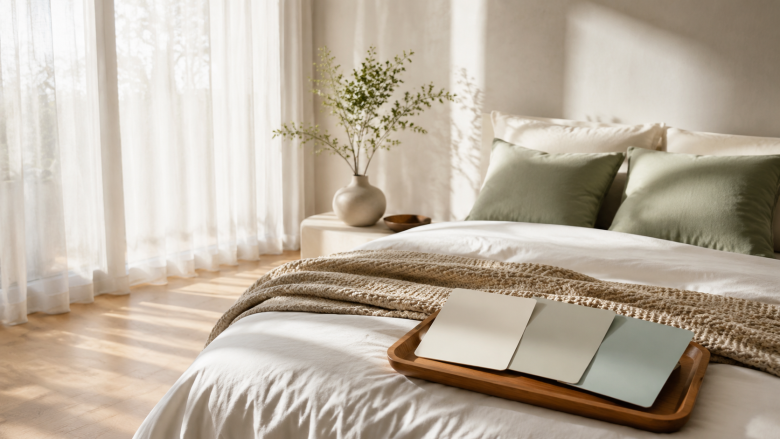
The Short Answer: Blue Is Best, But Context Matters More If you want the single most calming bedroom color, it is a muted, desaturated blue - think dusty blue or slate. Research has consistently linked blue tones with lower heart rates and better sleep quality. A 2013 survey of 2,000 UK adults by University of …
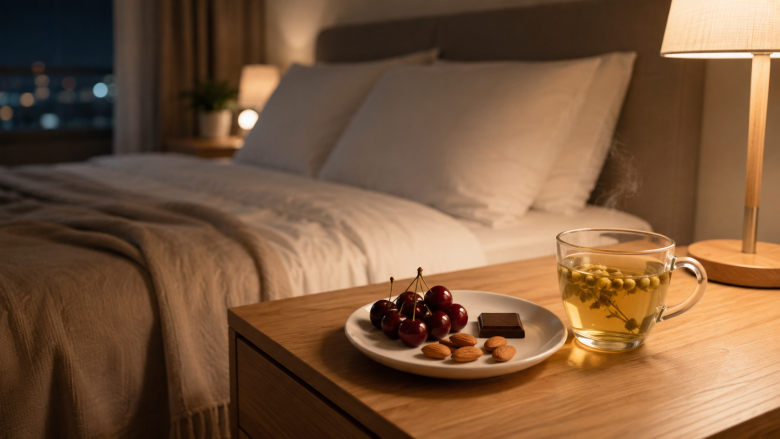
Why You're Waking Up at 2AM Hungry You've been asleep for four or five hours, and suddenly your stomach growls like a bear. You're not alone. Millions of people wake up in the middle of the night with a gnawing hunger that makes sleep impossible. Most advice about late-night snacking focuses on what to eat …
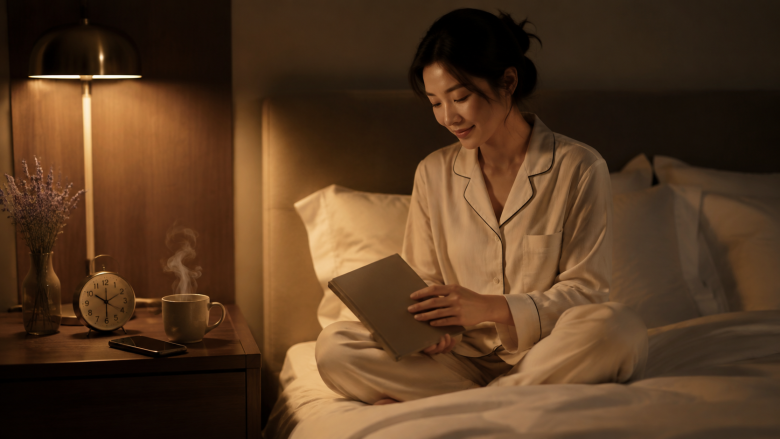
Why Your Current Bedtime Routine Is Failing You If you're reading this, you've probably tried every generic tip: keep a consistent schedule, dim the lights, take a warm bath, meditate. Yet you still lie awake replaying that awkward conversation from 2 p.m. or mentally drafting tomorrow's email at midnight. I've been there. For years, I …
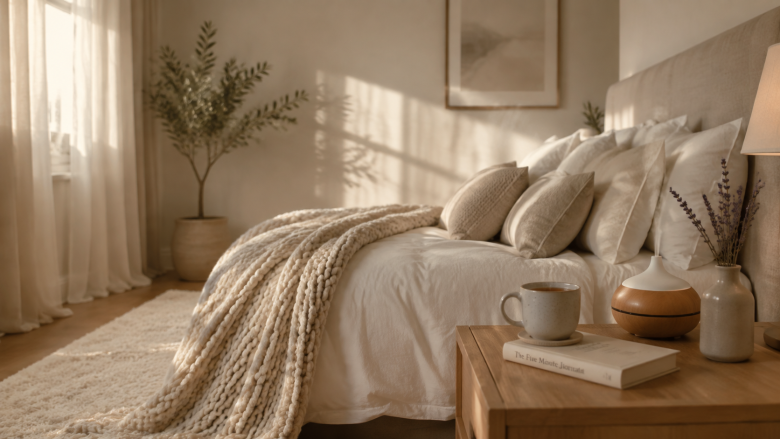
Your bedroom is not a showroom. It's a sensory environment that either prepares your nervous system for rest or keeps it scanning for threats. Most advice on relaxing bedroom layouts focuses on what you see: colors, furniture placement, decluttered shelves. That's half the story. The other half is what you hear, smell, feel, and even …
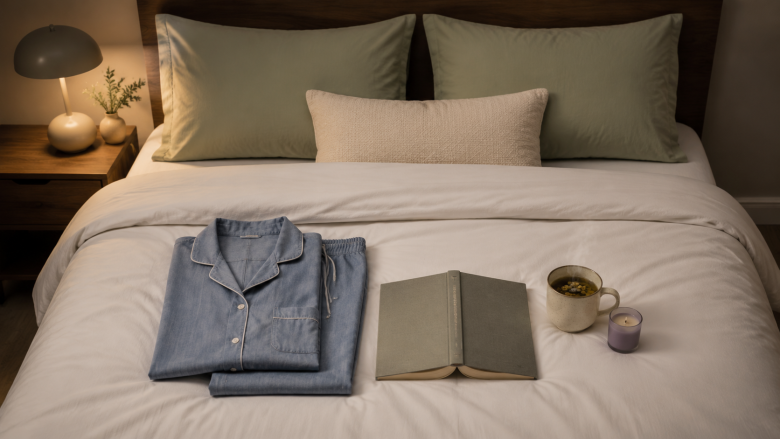
Why "Fall Asleep Fast" Is Different from "Sleep Better" If you want to fall asleep fast, stop looking for a single silver bullet. The fastest sleepers I've ever worked with all do the same two things: they wind down on a strict schedule, and they use a specific mental technique when they hit the pillow. …
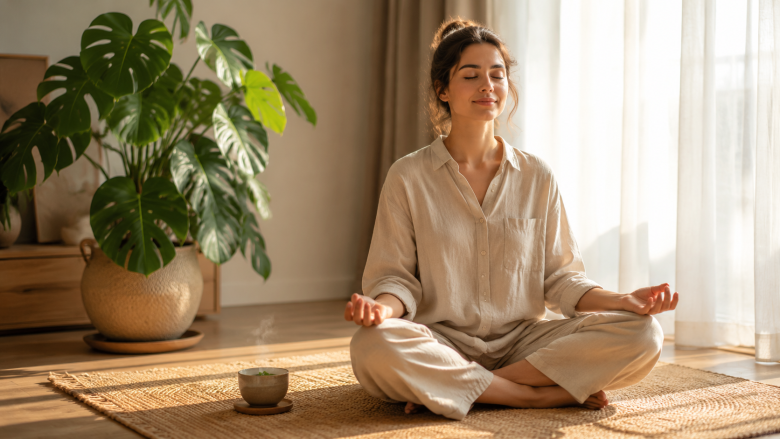
Relaxation Is Not One-Size-Fits-All If you have ever tried deep breathing during a panic attack and felt worse, or attempted meditation while exhausted and just fell asleep, you already know the dirty secret of relaxation advice: the right exercise depends entirely on your current state. Generic lists of techniques fail because a racing, panicked nervous …
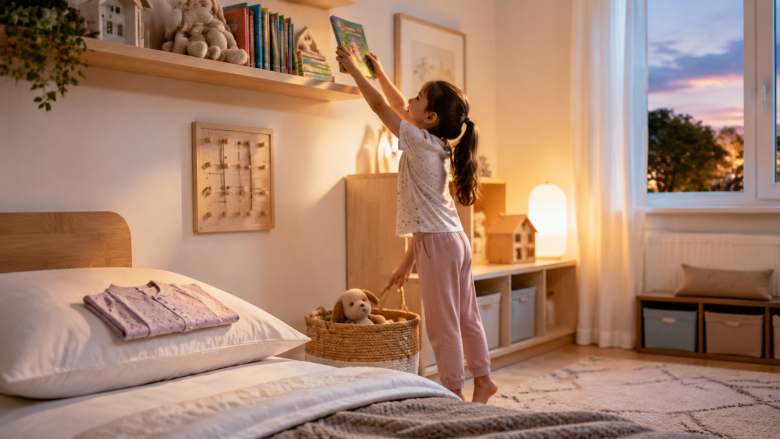
Why Your 8-Year-Old Still Needs a Bedtime Routine (Even Though They're "Too Old" for Charts) If you have a child between 6 and 10, you've likely hit a wall. Sticker charts feel babyish. They can brush their teeth and put on pajamas without help. But they still stall, argue, and call you back for water …
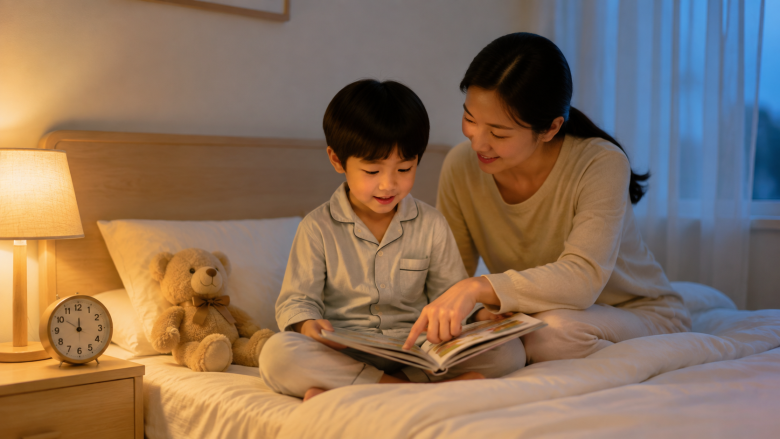
Why Most Bedtime Routines Fail (and How to Build One That Works) I have been there. You do everything right - warm bath, pajamas, a story, a lullaby - and your kid still bounces off the walls at 9 p.m. Or worse, they fall asleep at 8, then wake up at 3 a.m. ready to …
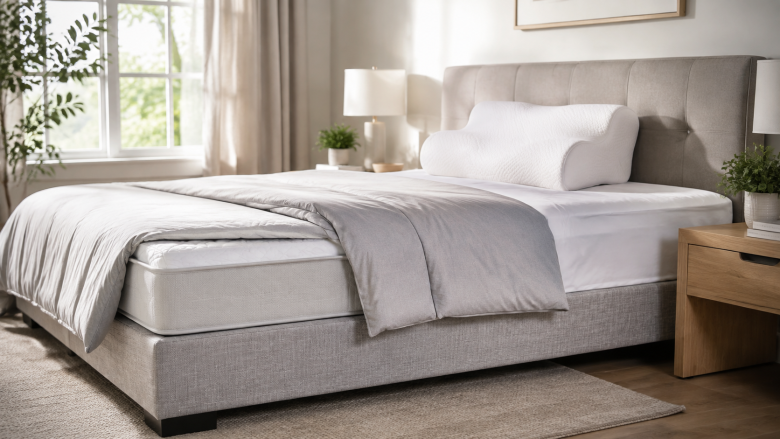
When you search for 'best mattress for back pain,' you get hundreds of reviews of the latest memory foam or hybrid. But after 15 years of helping clients fix sleep issues, I've learned that the mattress is only one third of the equation. The other two thirds are the foundation it sits on and the …
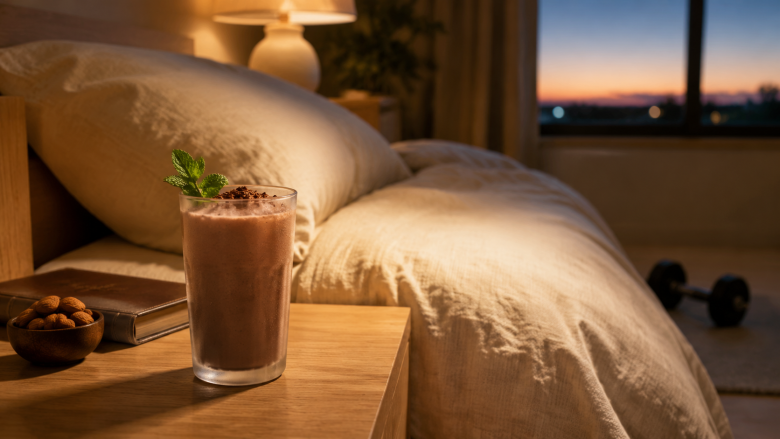
Is a Bedtime Protein Shake Actually Worth It? Yes, but only if you formulate it with sleep in mind, not just muscle. The standard advice - chug a casein shake for overnight muscle protein synthesis - misses the bigger picture. If that shake disrupts your sleep, you lose the recovery benefits you were chasing. I …